Securing Your Shipment: Marine Cargo Insurance Guide 2025
In an era of booming international trade, shipping goods across oceans has become the lifeline of global commerce. Yet, with opportunity comes risk cargo damage, theft, piracy, natural disasters, and more. This is where marine cargo insurance becomes a critical safeguard. Whether you're a small exporter in India or a multinational supply chain manager, understanding the right cargo policy can mean the difference between profit and loss.
In this blog, we’ll break down everything you need to know about marine cargo insurance in 2025: what it covers, who needs it, policy types, and how to choose the right plan to keep your cargo and business safe.
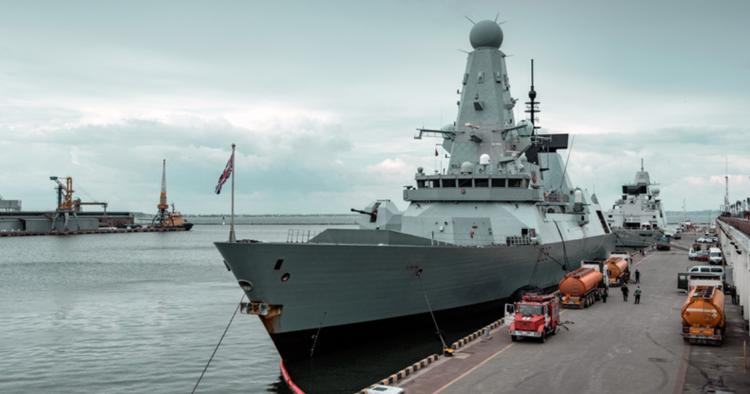
What Is Marine Cargo Insurance?
Marine cargo insurance is a policy that provides coverage for goods in transit over sea (and often including land and air components). It protects the insured against loss or damage to cargo caused by perils such as bad weather, piracy, fire, collision, or theft during shipping.
Who Needs Marine Cargo Insurance?
You need marine cargo insurance if you are:
- An exporter or importer
- A manufacturer shipping raw materials or finished goods
- A logistics company handling third-party shipments
- An e-commerce seller shipping internationally
- A freight forwarder managing large-scale transport networks
Types of Marine Cargo Insurance Policies
There are several ways to classify marine cargo insurance. The most common distinctions are:
1. Based on Coverage Scope:
- All Risk Policy (ICC A):
Most comprehensive coverage. Protects against almost all risks except specific exclusions like war or intentional damage. - Named Perils Policy (ICC B and C):
Covers only specific risks like fire, stranding, sinking, or collision. Less expensive but narrower in scope.
2. Based on Shipment Frequency:
- Single Transit Policy:
Best for one-time shipments or occasional exporters. - Open Cover Policy:
Ideal for businesses making regular international shipments. Offers continuous coverage under a pre-agreed framework.
Key Risks Covered by Marine Cargo Insurance
- Natural Disasters (storms, lightning, tsunami)
- Accidental Damage (ship collision, fire, overturning)
- Theft and Piracy
- Handling Damage (loading/unloading)
- War Risk & Strikes (available under additional premium)
- General Average Contribution (when cargo owners must share loss due to a ship's emergency)
What’s Not Covered? (Common Exclusions)
- Inadequate packaging
- Delays in delivery
- Inherent vice (natural deterioration)
- War and nuclear events (unless add-on purchased)
- Willful misconduct by the owner
How Is the Insurance Premium Calculated?
Premium depends on several factors:
- Nature of goods (fragile, perishable, high-value)
- Route risk level (e.g., Red Sea or Gulf of Aden)
- Shipping method (air, land, sea combinations)
- Type of coverage selected
- Claim history and volume of shipments
Generally, premiums range between 0.1% to 0.5% of the insured value of the cargo.
How to File a Marine Cargo Insurance Claim
In case of loss or damage:
- Notify the insurer immediately
- Preserve all shipping documents (bill of lading, invoice, packing list)
- Get a surveyor’s report (especially for visible damages)
- File a written claim within the specified period (often 7–14 days)
- Submit evidence and loss estimates
A well-documented claim and prompt reporting are essential for hassle-free settlements.
Tips to Choose the Right Marine Cargo Insurance in 2025
- Go for All-Risk if your cargo is high-value or fragile
- Opt for Open Cover if you ship regularly
- Use a broker with marine cargo expertise
- Ensure the policy includes inland transit (if needed)
- Add war or strike cover if you're operating in sensitive regions
2025 Trends in Marine Cargo Insurance
- Cyber Coverage Add-ons: More policies now include protection against GPS spoofing or cyber disruptions in shipping logistics.
- Climate-Adjusted Risk Models: Insurers are adjusting premiums based on real-time climate data affecting trade routes.
- Digital Claims Filing: Mobile apps and AI-driven assessment tools are speeding up the claims process.
Final Checklist: Before You Ship
Decide whether you need single-trip or open cover
Assess risk level of the route and cargo type
Compare policy options from at least 2–3 insurers
Clarify add-ons like war or delay coverage
Read the fine print know what’s excluded
Conclusion: Peace of Mind on Every Voyage
In the complex world of international shipping, even a small incident can lead to huge financial loss. Marine cargo insurance in 2025 isn’t just a formality, it's a business-critical tool that ensures you’re not navigating risky waters without protection.
By choosing the right coverage, staying informed about global risks, and working with expert insurers, you can secure your cargo and your company’s reputation at the same time.


Comments
Post a Comment