Marine Insurance: Protecting Global Trade at Sea
With more than 90% of global trade conducted by sea, marine transportation remains the backbone of international commerce. From containerized consumer goods to bulk raw materials, the risks associated with shipping are vast and unpredictable. This is where marine insurance plays a pivotal role—by providing financial protection against loss or damage to ships, cargo, terminals, and related infrastructure.
In this article, we’ll explore the essentials of marine insurance, its types, how it protects stakeholders in global trade, and why it is an indispensable tool in today's high-risk maritime industry.
What is Marine Insurance?
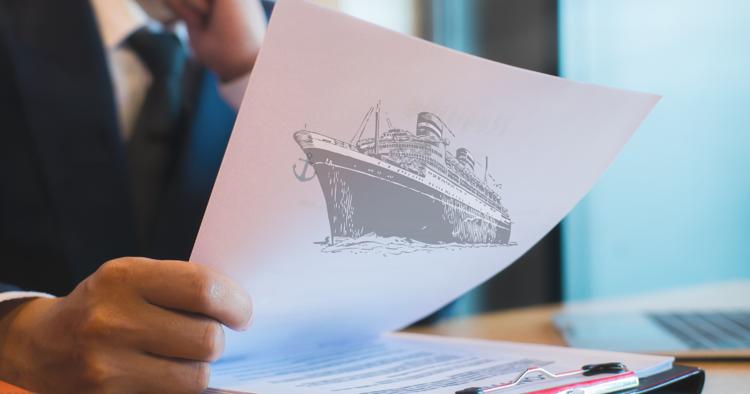
Marine insurance is a specialized form of insurance that offers coverage for goods transported over water and the vessels that carry them. It ensures that shipowners, cargo owners, freight forwarders, and exporters are protected from potential financial losses due to maritime risks such as accidents, piracy, weather damage, or cargo loss.
The practice dates back centuries but has evolved to become a cornerstone of international shipping and trade compliance today.
Key Types of Marine Insurance
1. Cargo Insurance
This covers goods and merchandise being transported by sea (and often includes parts of inland transit too). Whether you're shipping electronics from China or grains from India, cargo insurance ensures you’re covered if the goods are lost, stolen, or damaged during transit.
Keywords: cargo insurance, goods-in-transit cover
2. Hull and Machinery (H&M) Insurance
This type of policy covers physical damage to the ship or vessel itself. It includes the hull, machinery, and other onboard equipment. Shipowners typically buy H&M insurance to protect their high-value maritime assets.
Keywords: hull insurance, ship insurance
3. Freight Insurance
Freight insurance protects the financial interest of the shipping company in case it cannot collect the expected freight charges due to cargo loss or delay.
Keywords: freight risk insurance, maritime revenue protection
4. Liability Insurance (P&I)
Also known as Protection & Indemnity Insurance, this policy covers third-party liabilities such as pollution, injury to crew members, or damage to other ships and property.
Keywords: P&I insurance, maritime liability insurance
Why Marine Insurance Matters in Global Trade
The importance of marine insurance in global trade cannot be overstated:
- Minimizes Financial Losses: Shipowners and exporters face risks such as collision, fire, theft, or cargo loss. Insurance provides financial cushioning against such events.
- Boosts Trade Confidence: Marine insurance fosters trust among international trading partners, enabling smoother transactions and risk-sharing.
- Compliance with International Laws: Many trade agreements and shipping contracts require valid marine insurance as part of their terms.
- Covers Diverse Risks: From piracy and natural disasters to human error, marine insurance offers a safety net in uncertain maritime environments.
What Does a Typical Marine Insurance Policy Cover?
A comprehensive marine insurance policy may cover:
- Loss or damage during loading/unloading
- Fire, explosion, or collision at sea
- Piracy, hijacking, or theft
- Natural calamities like storms, hurricanes
- General average (shared loss among shipowners and cargo owners)
Depending on the coverage type—ICC (A), ICC (B), or ICC (C)—the extent of protection will vary. ICC (A) offers all-risk cover, while ICC (C) offers minimal protection.
Keywords: ICC A insurance, all-risk marine cover
Exclusions in Marine Insurance
Not all situations are covered. Common exclusions include:
- Delay in delivery
- Inherent defects in goods
- War or nuclear risks (unless explicitly covered)
- Improper packaging
Understanding these limitations helps policyholders set realistic expectations and purchase add-on covers if needed.
Choosing the Right Marine Insurance Policy
When selecting a marine insurance plan, consider the following:
- Nature and value of cargo
- Route and risk exposure (e.g., piracy-prone areas)
- Type of vessel
- Duration of transit
- Claim history and insurer credibility
Working with experienced marine underwriters or brokers can help you customize a policy suited to your shipment or fleet.
Keywords: marine policy selection, cargo insurance plan
Claims Process in Marine Insurance
The claims process typically includes:
- Immediate notification to the insurer
- Submission of key documents (bill of lading, commercial invoice, packing list, survey report)
- Independent surveyor’s damage report
- Claim settlement post-verification
Quick response and complete documentation can accelerate the settlement process.
Future Trends in Marine Insurance
As global trade evolves, marine insurance is also transforming. Here’s what to expect:
- Digitalization: Online policies, claim tracking, and IoT-based risk monitoring
- Parametric Insurance: Real-time weather and cargo condition triggers
- Sustainability: Policies adapting to green shipping standards
Conclusion
Marine insurance isn’t just a legal or financial formality it’s a strategic safeguard in an unpredictable industry. With billions worth of goods traveling across oceans daily, businesses cannot afford to ignore the risks of global maritime trade. Whether you're a multinational exporter, a freight broker, or a shipping company, having the right marine insurance coverage ensures business continuity and peace of mind on the high seas.

.png)

Comments
Post a Comment